




Article
Stabilize Today. Modernize on Your Terms.
How stabilizing core systems with real workload data reduces risk and creates a smarter path to modernization

Data Center
Not every infrastructure conversation starts with transformation. For many organizations, it starts with a more immediate concern: keeping critical systems stable, performant, and available while the business continues to operate.
Servers and storage don’t usually fail all at once. They show warning signs—capacity constraints, aging hardware, rising support issues, and growing uncertainty about how long systems can be relied on. When those signs appear, IT leaders are often forced into decisions under pressure, without the clarity they’d prefer.
The real challenge isn’t choosing between stability and modernization. It’s understanding how to stabilize today without limiting future options.
Why Stability Is a Strategic Priority
Infrastructure stability is easy to overlook until it’s at risk. But when systems slow down, outages increase, or support contracts expire, the impact quickly becomes visible across the organization.
Common signals include:
- Core systems approaching end of life
- Performance degradation due to constrained resources
- Increasing operational risk tied to unsupported platforms
- Difficulty planning refreshes without disrupting the business
In these moments, stability becomes more than an IT concern—it becomes a business requirement. The goal isn’t to freeze change, but to create a reliable foundation that allows IT teams to plan thoughtfully rather than react urgently.
The Cost of Waiting Too Long—or Moving Too Fast
When infrastructure pressure builds, organizations often fall into one of two traps.
Some delay action, hoping systems will hold a little longer. Over time, this increases the risk of unplanned downtime, rushed purchases, and limited vendor choice.
Others rush into large-scale modernization before they’re ready—introducing new platforms, architectures, or operational models without fully understanding their current environment.
Both approaches increase risk.
A more effective path sits in the middle: stabilize first, then modernize with intention.
A Practical Approach to Infrastructure Decisions
Before committing to a refresh or broader change, organizations benefit from answering a few foundational questions:
- Which systems are truly critical to day-to-day operations?
- Where are capacity or performance limits starting to show?
- How well does current infrastructure support near-term business needs?
- What risks exist if refresh decisions are delayed?
Clarity around these questions allows IT leaders to prioritize investments, sequence changes, and avoid unnecessary disruption.
A Proven Foundation for Core Workloads
For many organizations, a stable infrastructure starts with platforms they already trust. Servers and storage need to be reliable, predictable, and well understood—especially when they support core, always-on workloads.
As a Dell Platinum Partner, Tusker works closely with Dell to help organizations plan infrastructure refreshes that prioritize stability, performance, and operational confidence.
Our teams use Dell Live Optics—a free, non-intrusive assessment tool—to give clear visibility into existing environments and establish a factual baseline for smarter decisions.
Rather than guessing or relying on assumptions, IT teams can see real workload behavior, utilization patterns, and capacity trends. That insight makes it easier to stabilize today while planning modernization at a pace that makes sense for the business.
Start with Data, Not Assumptions
One of the most effective ways to reduce risk in infrastructure decisions is to begin with objective insight.
Dell Live Optics simplifies infrastructure planning by:
- Collecting and visualizing real workload and performance data
- Identifying capacity constraints and utilization trends
- Supporting data-driven refresh and sizing decisions
- Providing recommendations aligned to your specific environment
Because Live Optics is vendor-neutral and non-intrusive, it allows organizations to evaluate options without committing to a specific path too early.
Tusker provides Live Optics as a starting point to help organizations stabilize their environments today—while creating a clearer, more confident roadmap for what comes next.
Stability Creates Options
Infrastructure decisions don’t have to be reactive. When stability is addressed deliberately and backed by real data, it creates flexibility, reduces pressure, and enables better decision-making over time.
Organizations that stabilize first are better positioned to modernize on their own terms—without risking the systems their business depends on today.
If your environment is showing signs of strain or uncertainty, starting with insight can make all the difference.
Reach out to learn how Tusker can provide Dell Live Optics to help simplify infrastructure planning with data-driven insights and IT recommendations tailored to your environment.
Our Team
Industry Leaders

Matt Gaudio
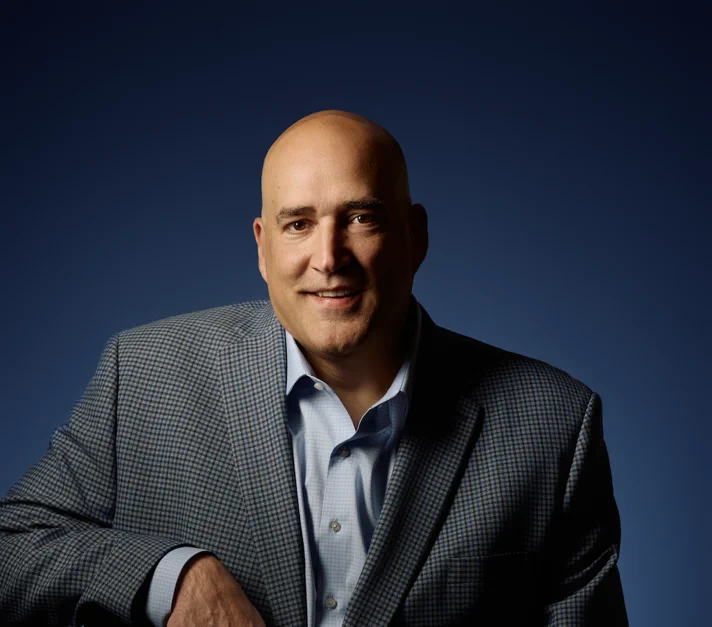
Matt Gaudio is Tusker’s Chief Executive Officer, helping teams turn complex challenges into clear, workable solutions that deliver real value.

Grow your bottom line with our tailored services.
Get in touch
Talk to us about how to transform your business.
View more
Matt Gaudio Named CEO of Tusker, a Fast-Growing National IT Solutions Provider
Matt Gaudio will Continue the Growth Strategy Led by Departing CEO Matt Zafirovski

Cloud Infrastructure
Four Resources to Simplify Video Infrastructure Planning
Practical tools to help you size storage, evaluate infrastructure, and select the right systems for video, analytics, and AI workloads

Cybersecurity
Tusker Achieves SOC 2 Type II Compliance
Tusker’s SOC 2 Type II certification reflects our commitment to data security, risk management and reliable IT services.