





Adaptive Security Architectures
Dynamic Defense. Real-Time Response. Continuous Resilience.

Build a Living Defense That Learns and Adapts
Adaptive Security Architectures from Tusker use the NIST Cybersecurity Framework and Fortinet Security Fabric to deliver real-time, self-learning defense—analyzing behavior, detecting anomalies, and adapting across endpoints, networks, and clouds to outpace threats.
Adaptive security architecture is built on the principle that no environment is static. Tusker implements behavior-based cybersecurity risk models, adaptive security policies, and AI-driven adaptive security operations to continuously evolve your defenses alongside the threats they face.

Outcomes, Not Just Features

Outcome one
Continuous Threat Adaptation
Harness AI and behavioral analytics to identify, isolate, and neutralize attacks before they spread. Adaptive controls adjust instantly based on risk signals—minimizing impact and preventing repeat incidents. This is adaptive cybersecurity in practice: real-time risk signals trigger automatic policy adjustments across your network, endpoints, and cloud workloads, tightening controls where threats emerge without requiring manual intervention.


Outcome two
Zero Trust by Design
Integrate identity, device, and access verification into every connection. Our architecture embeds Zero Trust principles across ZTNA, IAM, and micro-segmentation—ensuring that every user and workload is continuously verified. For organizations in finance, healthcare, and other regulated industries, our adaptive security architecture examples show how identity-aware, AI-informed access controls meet compliance requirements while continuously validating every connection.

Outcome three
Automated Response & Recovery
Combine MDR, CTEM, and EDR/XDR technologies to detect and respond to threats in real time. Automation shortens containment and restoration from hours to minutes, turning your SOC into a proactive command center.


Outcome three
Integrated Governance & Resilience
Align security operations with compliance and business continuity goals. Built on NIST’s five functions, our adaptive framework ensures full-cycle protection—from identification to recovery—measured through auditable, data-driven outcomes.

Our Partners




Case Studies

Entertainment
AMSOIL Arena Audio Modernization
How we measure success
Modernizing a mission-critical arena audio system under an aggressive deadline—without replacing existing amplifiers and loudspeak
Education
Campus-Wide AV Modernization
How we measure success
A unified AV standard brought consistency, reliability, and modern learning tools to 20+ classrooms.

Education
Metrics-Led vCISO Model Builds Trust and Resilience for a Midwestern School System
How we measure success
A steady vCISO model gave the district clearer governance and measurable security gains.
Our Team
Industry Leaders

Rod Kahl
Vice President of Cybersecurity

Matt Cox
Information Security Officer

Sanjaya Senanayake
Cybersecurity Solution Architect
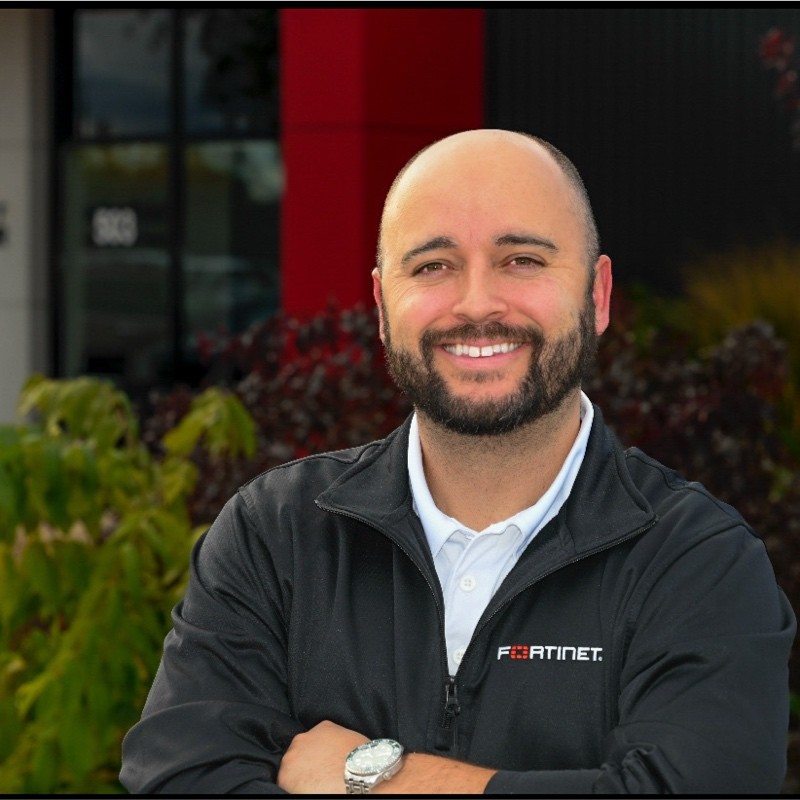
Cody Starr
Director of Fortinet Solutions
Resources
Resource Hub




Real World Outcomes
Hear from our customers
When we had a data breach, Tusker’s team… got us out of a bind.
Scott Werfal
Technology Director, Appleton Area School District

You worked magic—getting a long-desired upgrade a full year and a half early.
Bulkmatic Leadership
Executive Leadership, Bulkmatic Transport Company

Grow your bottom line with our tailored solutions.
Get in touch
Adaptive Security Architectures unite AI, Zero Trust, and NIST principles to deliver continuous, intelligent protection.