




Article
3 Signs Your IT and Network Infrastructure Needs Modernization
3 Signs Your Infrastructure Is Holding You Back

Cloud Infrastructure
Modernization isn’t just about adopting new technology—it’s about removing the barriers that slow your business down.
The challenge? Most organizations know they need to modernize, but they don’t know where to start. Too many options, too much risk, and no clear path forward.
If your infrastructure is creating friction instead of enabling growth, it’s time to take a closer look.
Here are three clear signs your environment may be holding you back—and what to do about it.
1. Performance Issues Are Becoming the Norm
If users are experiencing slow systems, downtime, or inconsistent performance, your infrastructure is no longer keeping up with demand.
These issues often show up as:
- Sluggish applications and systems
- Increased downtime or instability
- Delayed deployments or updates
At first, these problems seem manageable. But over time, they compound—impacting productivity, customer experience, and revenue.
What this really means:
Your environment wasn’t designed for your current scale or workload.
The shift:
Modernization isn’t just about fixing performance—it’s about designing infrastructure that can scale with your business.
2. You’re Facing an Upgrade—But Don’t Know the Right Path
Hardware refresh cycles, end-of-life systems, and vendor pressures force decisions—but they don’t provide clarity.
Should you move to the cloud?
Adopt a hybrid model?
Or optimize what you already have?
Many organizations get stuck here—making reactive decisions or delaying action entirely.
What this really means:
You don’t just need new technology—you need a clear, structured decision framework.
The shift:
Modernization starts with understanding your current state and defining the right path forward—not defaulting to a single solution.
3. Every Change Feels Risky
If every upgrade or change feels like a potential disruption, your infrastructure has become fragile.
This often looks like:
- Fear of downtime during changes
- Overly complex environments
- Limited visibility into dependencies
When risk is high, progress slows—or stops altogether.
What this really means:
Your environment lacks structure, standardization, and a clear roadmap.
The shift:
Modernization should reduce risk, not introduce more of it—by bringing clarity and control to every step.
The Real Problem: Lack of Clarity
Most modernization efforts don’t fail because of technology—they fail because of uncertainty.
Too many options.
Too many unknowns.
No clear starting point.
That’s where organizations get stuck.
A Better Approach: Modernization Without the Guesswork
Modernization doesn’t have to be disruptive or unpredictable.
With the right approach, it becomes a structured, low-risk process:
- Assess your current environment and constraints
- Define the right path (cloud, hybrid, or optimized existing)
- Design for performance, scalability, and security
- Modernize with minimal disruption
- Optimize for long-term success
The result isn’t just new infrastructure—it’s a clear, confident path forward.
What You Gain
When modernization is done right, the outcomes are tangible:
- Improved performance and reliability
- Reduced operational costs
- Greater scalability and flexibility
- Lower risk and fewer disruptions
- A clear direction for future growth
Start with clarity—not assumptions.
Take the first step toward a structured, low-risk modernization strategy.
Our Team
Industry Leaders

Marc Lemke
Marc Lemke is Tusker’s Field CTO, offering clear guidance and hands-on expertise to help customers make smart, practical technology decisions.

Jason Oliver
Jason Oliver is one of Tusker’s Enterprise Architects, focused on designing technical environments that support smart growth and simplify day-to-day operations.

Grow your bottom line with our tailored services.
Get in touch
Talk to us about how to transform your business.
View more
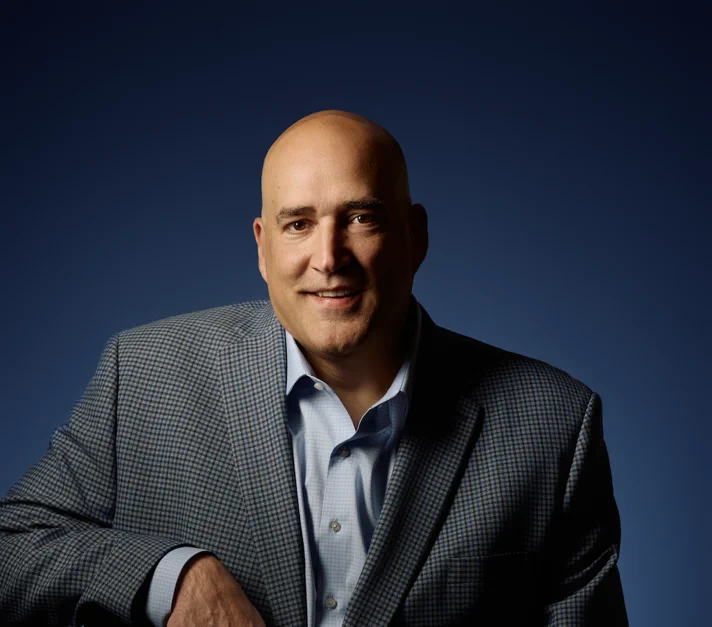
Matt Gaudio Named CEO of Tusker, a Fast-Growing National IT Solutions Provider
Matt Gaudio will Continue the Growth Strategy Led by Departing CEO Matt Zafirovski

Cloud Infrastructure
Four Resources to Simplify Video Infrastructure Planning
Practical tools to help you size storage, evaluate infrastructure, and select the right systems for video, analytics, and AI workloads

Cybersecurity
Tusker Achieves SOC 2 Type II Compliance
Tusker’s SOC 2 Type II certification reflects our commitment to data security, risk management and reliable IT services.