




Article
FinOps in the Age of AI
Why Visibility Isn’t Enough Anymore

Cloud, AI, Automation & Analytics
FinOps has evolved.
What started as cost tracking has become a strategic discipline—one that connects cloud investment directly to business outcomes. Microsoft is leading that shift, embedding FinOps deeply into Azure and aligning with the FinOps Foundation as a certified provider.
With native tools like Cost Management, Azure Advisor, and Copilot, organizations now have unprecedented visibility into their cloud environments. They can forecast spend, identify inefficiencies, and even query cost data using natural language.
But as FinOps matures—especially with the rise of AI—visibility alone isn’t enough.
Microsoft’s Vision: FinOps as a Business Strategy
Microsoft’s FinOps framework follows a clear lifecycle:
- Inform: Understand and allocate cloud costs
- Optimize: Reduce waste and improve efficiency
- Operate: Align spend with business goals through governance and KPIs
This model reflects a critical shift:
FinOps is no longer just about reducing costs—it’s about maximizing business value.
And in 2026, that shift is accelerating.
With the rise of generative AI and large-scale data platforms, cloud costs are becoming:
- Less predictable
- More complex
- More directly tied to innovation
Microsoft is addressing this through:
- AI-powered FinOps (Copilot) for faster insights
- FOCUS standardization for multi-cloud visibility
- Executive-level alignment between cloud spend and business outcomes
The Challenge: From Insight to Execution
Microsoft provides powerful tools.
But most organizations still struggle with:
- Turning insights into action
- Enforcing governance across teams
- Aligning finance, IT, and business stakeholders
- Operationalizing FinOps continuously
In other words:
They understand their cloud spend—but don’t control it.
Where Tusker Fits
Tusker extends Microsoft’s FinOps capabilities beyond the platform—into execution.
We help organizations operationalize the same lifecycle Microsoft promotes:
Inform
We establish a clear cost baseline, allocation model, and visibility across your Azure environment.
Optimize
We identify real savings opportunities—rightsizing, cleanup, and commitment strategies—based on actual usage.
Operate
We implement governance, reporting, and continuous optimization so FinOps becomes part of how you run—not just what you review.
FinOps for AI Changes Everything
AI workloads introduce a new level of complexity:
- Usage spikes are harder to predict
- Costs scale faster than traditional workloads
- ROI is harder to measure
This makes FinOps more critical than ever.
Tusker helps organizations:
- Track and forecast AI-driven costs
- Align AI investments to business outcomes
- Prevent uncontrolled spend as adoption grows
From Tools to Outcomes
Microsoft gives you the platform.
Tusker helps you get the results.
Together, that means:
- Better visibility with Azure-native tools
- Faster decision-making with AI insights
- Real cost reduction through execution
- Long-term control through governance
Start Where It Matters
You don’t need to overhaul everything to get started.
You just need clarity—and a plan.
That’s where we begin.
Start Your FinOps Cost Control Jumpstart
In just two weeks, you’ll get:
- Full visibility into your Azure spend
- Identified savings opportunities
- Actionable recommendations
- A roadmap aligned to Microsoft’s FinOps framework
Turn Microsoft’s FinOps vision into measurable outcomes. Request your Jumpstart here.
Our Team
Industry Leaders

Greg Marts
Greg Marts is Tusker’s Director of Cloud Services, helping organizations modernize their environments with practical guidance and dependable support.
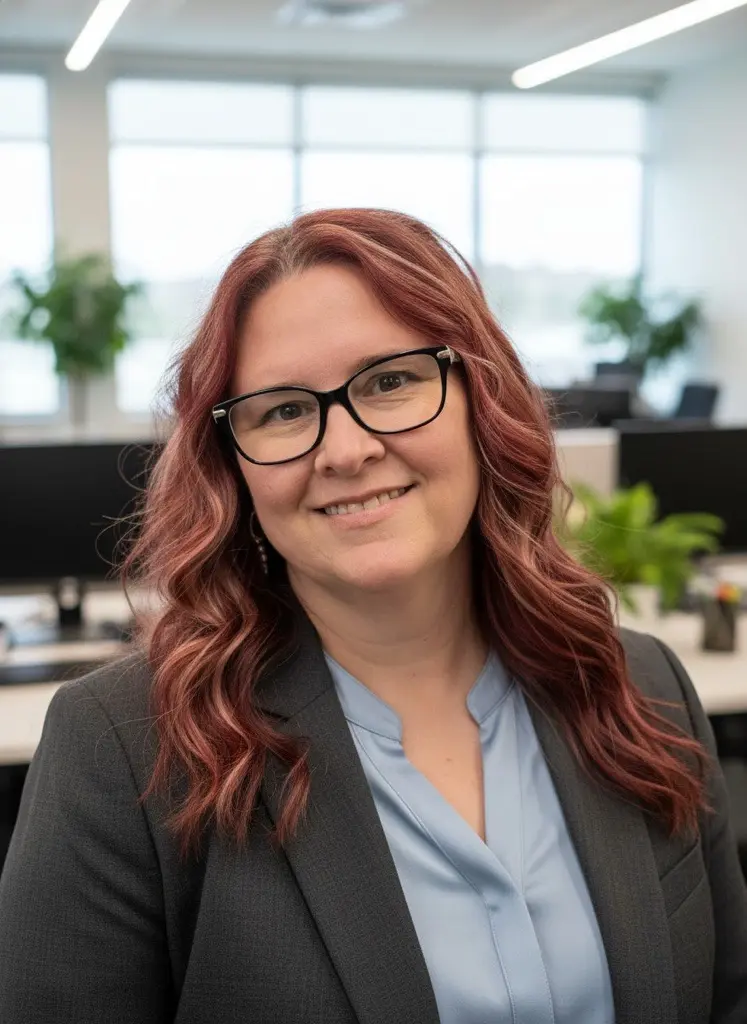
Amy Wade
Amy Wade is the Vice President of Versatile Distribution Services (VDS), where she leads with a strong focus on relationships, collaboration, and delivering meaningful outcomes for customers and partners.Known for her collaborative leadership style, Amy brings people together to build lasting partnerships, navigate complex challenges, and drive growth in specialized markets. She is passionate about creating an environment where customers, partners, and team members feel supported and empowered, and believes that the best results come from strong relationships, open communication, and a shared commitment to success.Amy is deeply committed to delivering exceptional customer service and consistently going above and beyond - an approach that is reflected throughout the culture of the VDS team.

Grow your bottom line with our tailored services.
Get in touch
Talk to us about how to transform your business.
View more

Cloud Infrastructure
Four Resources to Simplify Video Infrastructure Planning
Practical tools to help you size storage, evaluate infrastructure, and select the right systems for video, analytics, and AI workloads

Cybersecurity
Tusker Achieves SOC 2 Type II Compliance
Tusker’s SOC 2 Type II certification reflects our commitment to data security, risk management and reliable IT services.

Cybersecurity
Tusker Acquires Fortress SRM to Expand Cybersecurity Services
Adds New Cybersecurity Expertise, 24/7 Security Operations Center and Ohio Valley Presence